
In today’s fast-paced, lefatše le tsamaisoang ke theknoloji, lisebelisoa tsa elektroniki lia hlokahala. From laptops and smartphones to gaming consoles and home appliances, they all need a reliable power supply. The Adapter ea AC DC ensures these devices function smoothly. Sehloohong sena, we’ll explore what AC DC adapters do and why they’re so important.
Ho Utloisisa Lintho Tsa Motheo: What is an AC Adapter and Its Role?
Let’s start with the basics. Adapter ea AC, e tsejoang hape e le an Ac Power Adapter or a power supply unit, converts AC power from a wall outlet into DC power. This is necessary because most electronic devices operate on direct current, while wall outlets supply alternating current. The adapter acts as a bridge between the two. Ka mantsoe a mang, it ensures that the power from the outlet is compatible with the device.
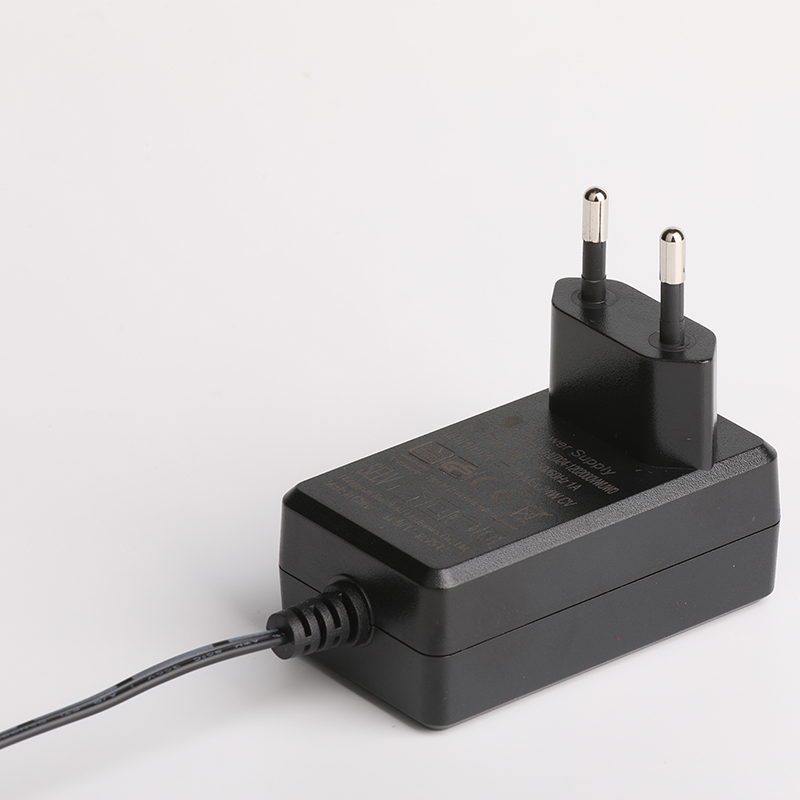
Likarolo tsa Bohlokoa tsa Adapter ea AC
Li-adapter tsa AC li tla ka libopeho le boholo bo fapaneng, depending on the device they power. They typically include a power cord, a transformer, and a cable with a connector. The transformer converts high-voltage AC power into the lower-voltage DC power needed by the device. Ho feta moo, the design of these adapters allows them to fit seamlessly with different devices.
The Role of AC Adapters: Li-adapter tsa AC li sebelisetsoa eng?
Jwale, let’s look at the primary functions of AC adapters and why they’re so important.
Power Conversion: Turning AC Power into DC Power
The main job of an AC adapter is to convert AC power into DC power. This is essential because electronic devices need a stable and consistent power supply to work correctly. Without this conversion, devices wouldn’t operate efficiently or safely. In fact, this conversion process is what makes it possible for us to use our devices with standard wall outlets.
Molawana wa Voltage: Ensuring Stable Power Delivery
Ho phaella moo, AC adapters regulate voltage. The voltage from wall outlets can vary. An AC adapter ensures the voltage delivered to the device is stable and within the required range. This protects the device from voltage fluctuations and potential damage.
Charging and Powering Devices: Convenience and Functionality
Ho feta moo, AC adapters charge and power electronic devices. When you plug in your laptop or smartphone, the adapter converts AC power into DC power. This power charges the device’s battery and powers its internal components. It allows you to use the device while it’s plugged in and ensures the battery is ready when you need it.
Portability le boiketlo: Staying Connected Anywhere
Qetellong, AC adapters are portable and convenient. They let you use your devices anywhere there’s a power outlet. Hore na o lapeng, mosebetsing, kapa ho tsamaya, an AC adapter keeps your device powered and ready to use. Ka hoo, these adapters play a crucial role in our increasingly mobile lifestyles.
The Importance of AC Power Adapters: Polokeho, Katleho, and Compatibility
AC power adapters are vital for the safe and efficient operation of electronic devices. They’re more than just accessories—they’re essential components. Here’s why they’re so important:
Device Safety: Protecting Your Electronics
AC adapters protect your devices from voltage fluctuations and power surges. They act as a buffer between the wall outlet and your device, ensuring stable power delivery. This helps prolong the lifespan of your device and reduces the risk of damage. Ka bokhutšoane, they provide a critical layer of protection for your valuable electronics.
Matla a Matla: Saving Power and Reducing Costs
Ka ho tšoanang, modern AC adapters are designed to be energy-efficient. They consume minimal power when not in use, reducing your energy consumption and lowering your electricity bills. They’re also better for the environment, ho kenya letsoho ho fokotseng litšila tsa matla le ho fokotsa khabone.
Compatibility and Standardization: Finding the Right Fit
Likewise, AC adapters are designed to be compatible with a wide range of devices. They come in various types and configurations to meet different requirements. This ensures you can easily find an adapter that fits your device, making it simple to replace or upgrade if needed.
How AC DC Adapters Work: A Step-by-Step Process
Jwale, let’s take a closer look at how AC DC adapters work. The process involves several key steps:
Kenya Voltage: Starting the Conversion Process
The process starts with the input voltage. The adapter takes AC power from the wall outlet, which is typically 110V or 220V. This voltage is then sent to the transformer. Initially, the input voltage must be compatible with the local electrical standards.
Voltage Transformation: Adjusting to the Right Level
E 'ngoe, the transformer converts the input voltage into the required output voltage. It uses electromagnetic induction to step down the voltage to a safer level for the device. This step is crucial for ensuring that the device receives the correct amount of power.
Rectification: Converting AC to DC
Ka mor'a moo, the adapter converts the AC voltage into a pulsating DC voltage. Diodes allow current to flow in one direction only. This conversion is necessary to transform the alternating current into a form that the device can use.
Filtering: Smoothing Out the Power Supply
Then, the pulsating DC voltage is filtered. Capacitors and inductors smooth out the voltage, resulting in a stable and clean DC power supply. Through this process, the power becomes stable enough for the device’s internal components.
Molawana wa Voltage: Ensuring Consistent Power Delivery
Qetellong, the adapter regulates the voltage to ensure it remains stable. The regulated voltage is delivered to the device through a cable with a connector. This ensures a consistent and reliable power supply. Qetellong, this final step ensures that the device operates smoothly and safely.
Choosing the Right AC DC Adapter: Key Factors to Consider
Choosing the right AC DC adapter is crucial for the safe and efficient operation of your device. Here are some factors to consider:
Ho lumellana: Ho bapisa Adapter le Sesebediswa sa Hao
Pele ho tsohle, ensure the adapter is compatible with your device. Check the device’s specifications for required voltage, jwale, le mofuta oa sehokelo. Using an incompatible adapter can damage your device or prevent it from working correctly.
Boleng le Botshepehi: Investing in a Dependable Adapter
Ho phaella moo, invest in a high-quality adapter from a reputable manufacturer. Adapter ea boleng bo botle e tla ba le taolo e betere ea motlakase, matla a matla, le likarolo tsa polokeho. E tla boela e tšoarelle le ho tšepahala haholoanyane.
Likarolo tsa Tšireletso: Protecting Against Electrical Issues
Ho feta moo, look for adapters with built-in safety features like over-voltage protection, tšireletso ea potoloho e khuts'oane, le tšireletso ea mocheso. These features help protect your device from electrical issues and ensure safe operation.
Matla a Matla: Saving Power and Reducing Environmental Impact
Qetellong, choose an energy-efficient adapter. These adapters consume less power when not in use, ho fokotsa tšebeliso ea matla a hau le likoloto tsa motlakase. They’re also better for the environment.

Qetello: The Essential Role of AC DC Adapters
Ha re phethela, AC DC adapters are essential for the operation of electronic devices. They convert AC power into DC power, regulate voltage, and provide a stable power supply. Understanding what an Adapter ea AC is and how it works helps you make informed decisions when choosing one. Investing in a high-quality, compatible adapter ensures your devices remain powered, protected, and ready to use. Qetellong, this keeps you connected and productive in today’s tech-driven world.